Inkanyezi Waldorf School was founded in 1987 in Alexandra, Johannesburg, during a time of great challenge and change in South Africa. It began as a small initiative, with dedicated teachers bringing Waldorf education into a community through a kindergarten and early classes.
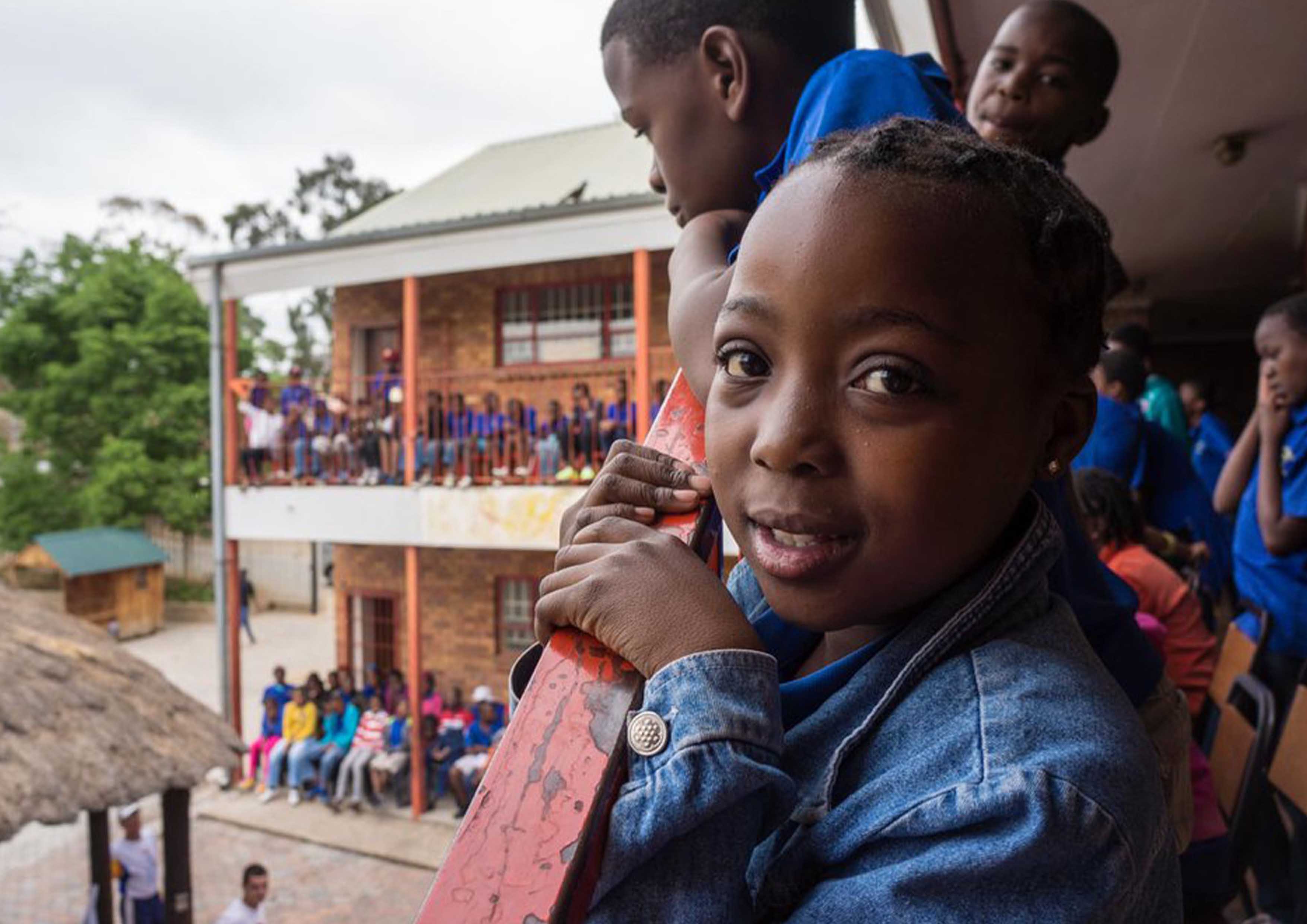
From these humble beginnings, the school steadily grew into a primary school serving children from grade 1 – 7. Rooted in principles of Waldorf education, Inkanyezi has always aimed to provide a nurturing, creative, and holistic learning environment.
Today, the school continues to serve its community as a place of care, stability, and meaningful education, supporting the development of each child’s head, heart and hands.
"Our highest endeavour must be to develop free human beings who are able of themselves to impart purpose and direction to their lives. The need for imagination, a sense of truth, and a feeling of responsibility – these three forces are the very nerve of education.
~ Rudolf Steiner, Founder of Waldorf Education
The curriculum at Inkanyezi Waldorf school is based on the principles of Waldorf education and is designed to support the whole (holistic) development of our children – thinking, feeling, and willing.
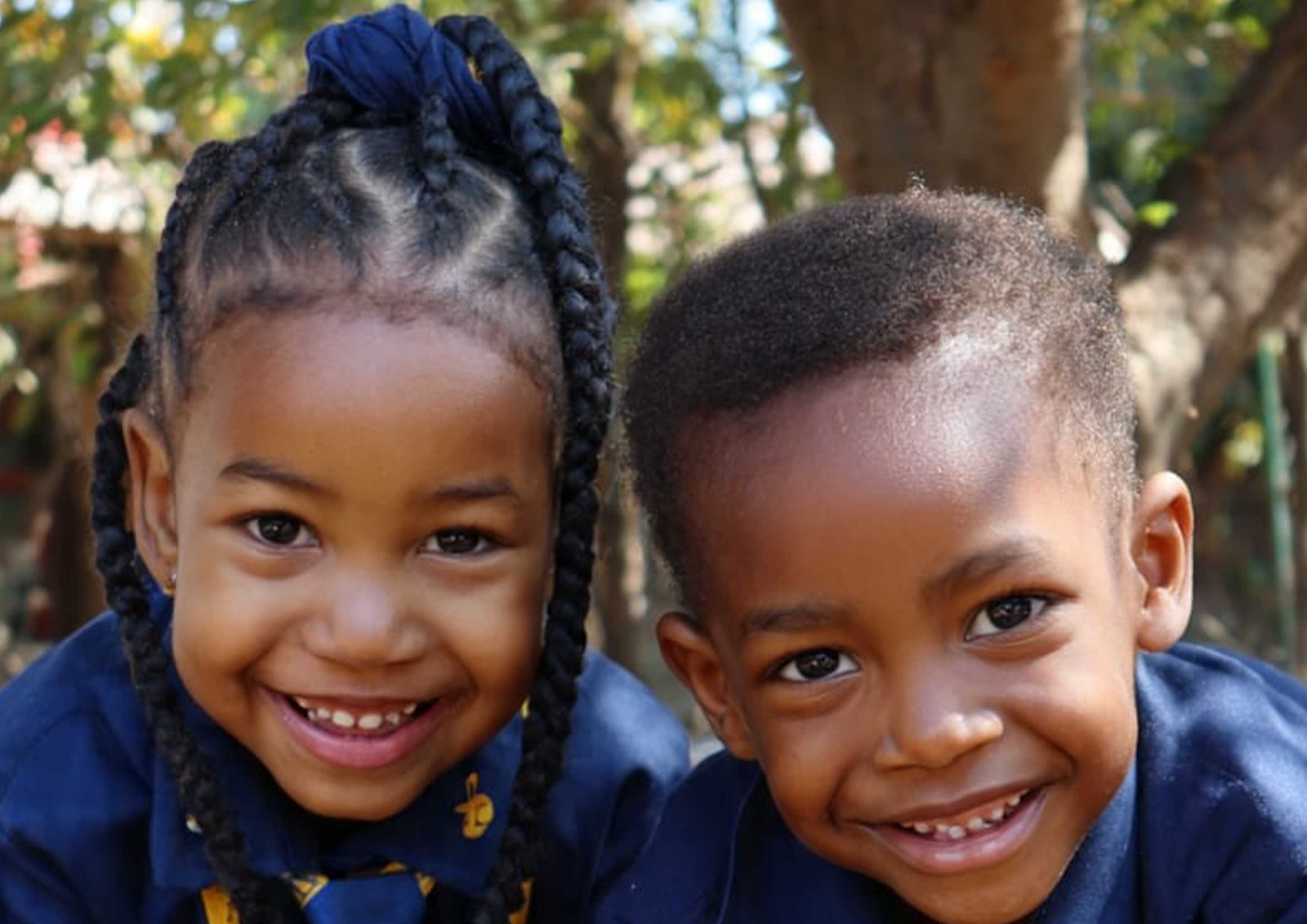
A time for imitation and play
Our kindergarten welcomes children between the ages of four and six and a half. Our school provides a strong foundation for primary school, while nurturing essential life skills that support confident, capable, well-rounded individuals.
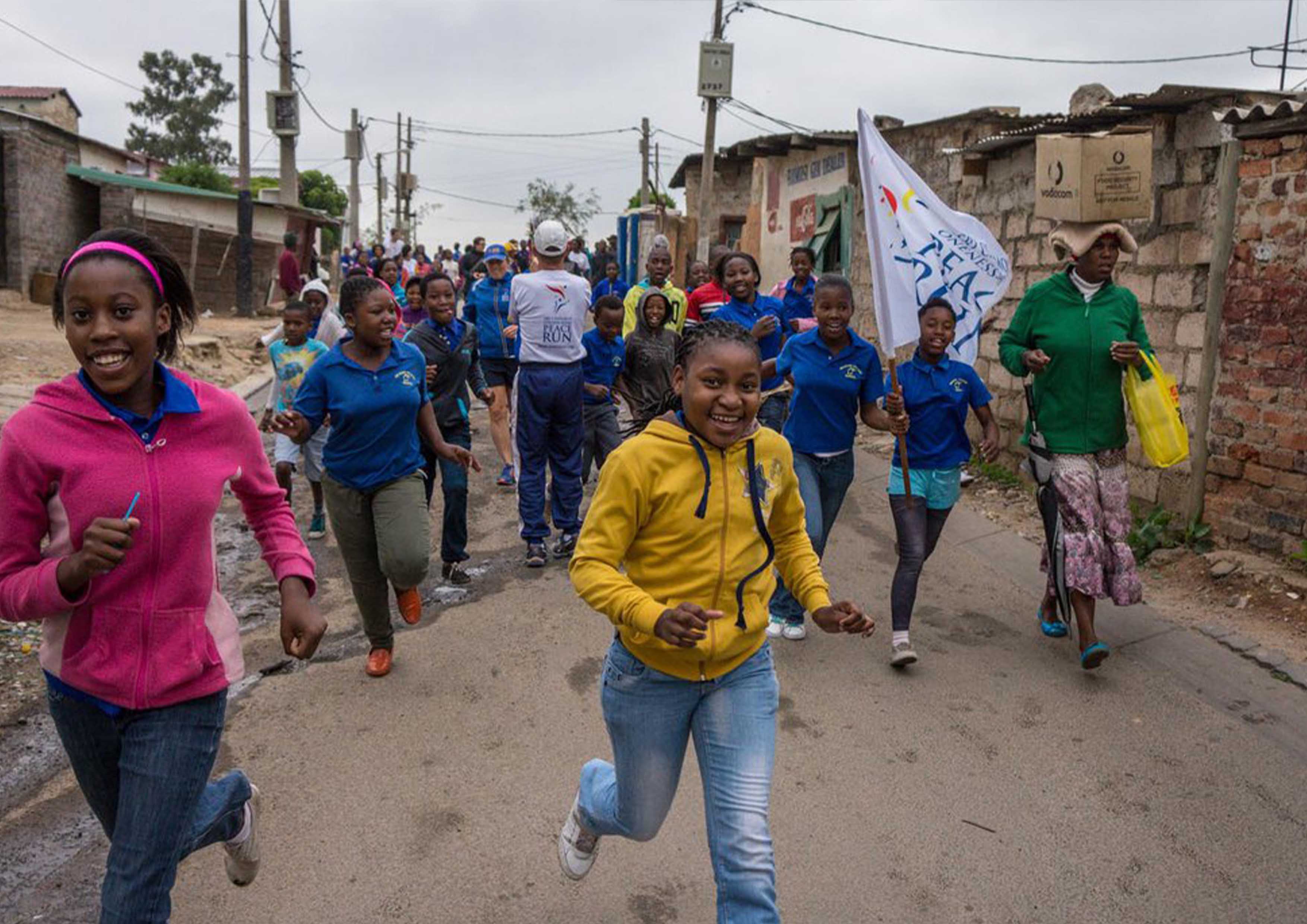
A time for imagination and caring authority
Our primary school is designed to build strong relationships and deep understanding in each child. Class teachers work closely with families, creating a supportive, child-centred environment.
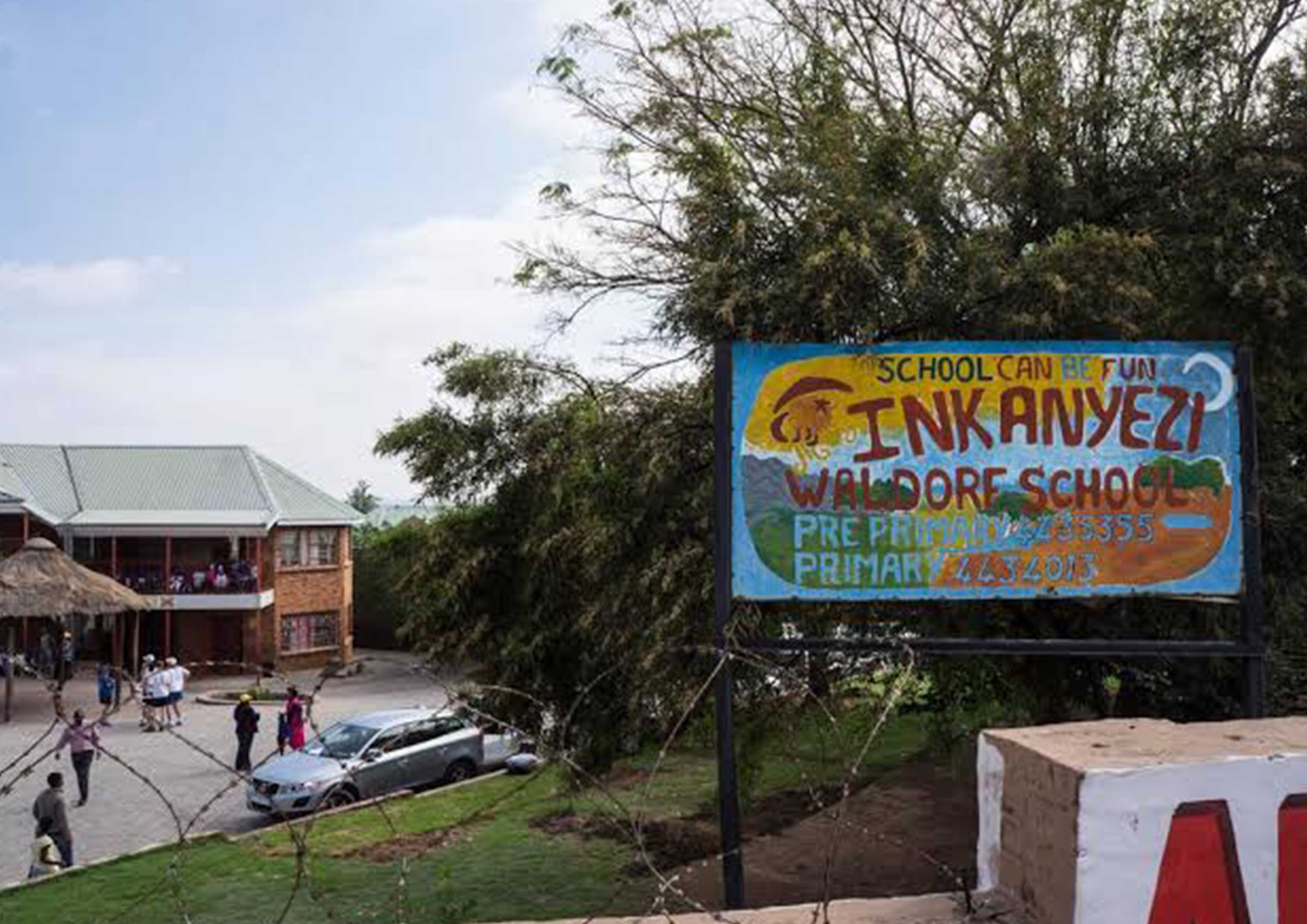
The Waldorf Way
The curriculum at Inkanyezi Waldorf School follows Waldorf principles, aiming to nurture the child's overall growth – thinking, feeling, and willing. We incorporate eurythmy, woodworking, and handwork into the programme to support creative and holistic development.
Waldorf schools view discipline as part of child development, not punishment. The approach is holistic and relationship-based: Inner development over external control. Discipline comes from the inner development of the human being rather than from rigid rules. Teachers work to awaken ‘a sense of the inner, spiritual substance of life’.
Teachers often stay with the same class for multiple years to build trust and security. They use ‘objective observation’ to understand each child individually, avoiding pre-judgments.
Because children develop at their own pace and timeline, assessment is largely qualitative as opposed to quantitative.
Social/emotional challenges are first addressed implicitly through stories, artwork, music, drama, and class rhythms, rather than explicitly.
Example: A teacher tells a story about a character who couldn't forgive to address forgiveness issues in the class. Explicit strategies like behavior plans are used only when needed.
Wellbeing is woven into the whole curriculum, not an add-on:
-Whole-child focus: Education addresses "physical well-being, their social and emotional well-being, and their intellectual, cognitive, and spiritual development". The goal is "balanced, healthy, happy adults".
-Social-Emotional Learning: Many schools have explicit SEL programs. Example: Waldorf runs "Program in Social Ethics" covering technology, anti-bias education, sexual ethics, and health through discussion-based classes. SEL is linked to improved grades, attendance, reduced anxiety, resilience, and confidence.
-Long-term teacher relationships: Same teacher for several years "fosters strong bonds and lasting relationships" and creates "an environment of trust and security".